Saona Island Coral Bleaching – Causes, Environmental Impacts & Reef Recovery
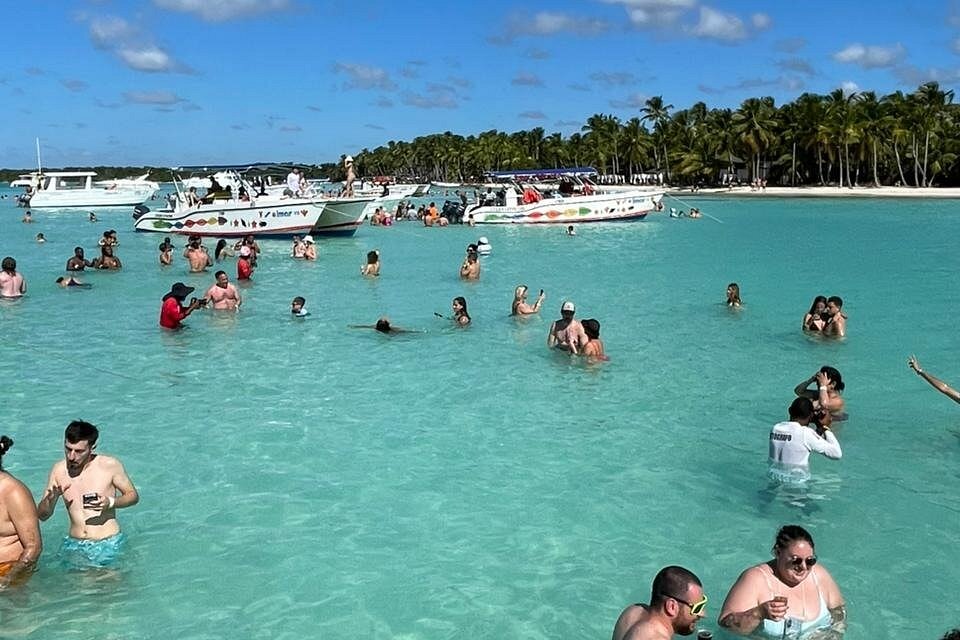
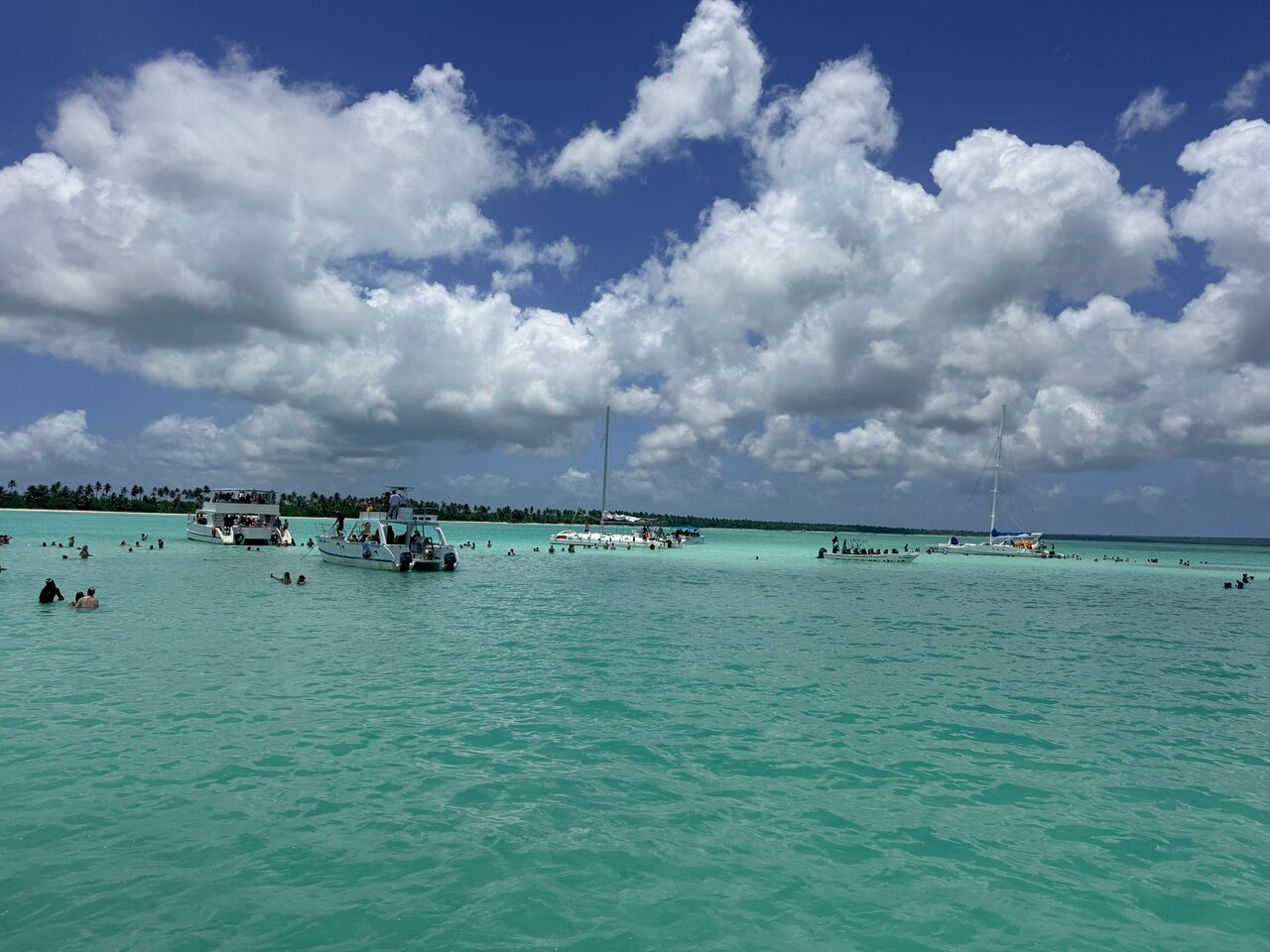
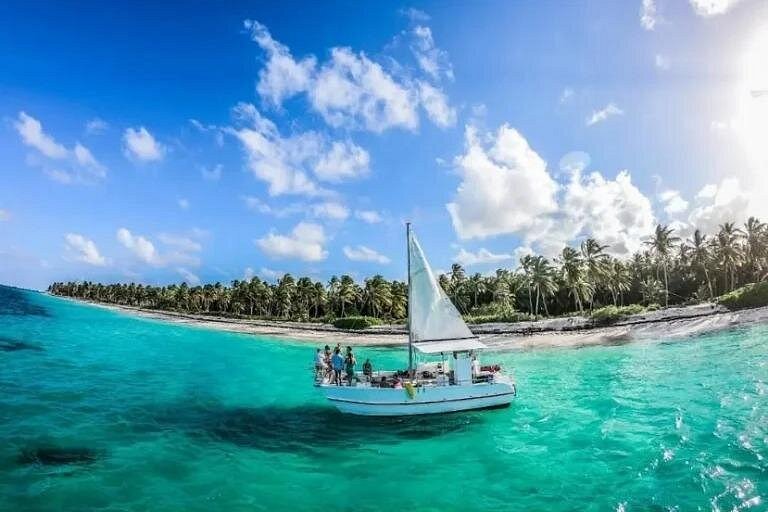
Saona Island is famous for its beautiful Caribbean coastline, clear turquoise water, and tropical marine environment. Beyond its beaches, the surrounding region forms part of a wider marine ecosystem where coral reefs provide habitat for numerous underwater organisms.
However, coral reefs across the Caribbean face an important environmental challenge: coral bleaching.
Coral bleaching occurs when corals experience environmental stress and lose much of the microscopic algae living within their tissues. These algae normally provide energy and contribute to the colours of many corals. When they are lost, coral colonies can become pale or completely white.
Ocean warming is one of the major causes of large-scale coral bleaching events. Other pressures, including pollution, sedimentation, and changes in water conditions, can also contribute to coral stress.
Understanding coral bleaching is important for appreciating the environmental challenges facing Caribbean marine ecosystems.
This guide explains what coral bleaching means, why it happens, how it affects coral reefs, and what can help support reef recovery around the wider Saona Island region.
1. What Is Coral Bleaching?
Coral bleaching is a stress response that occurs when coral animals lose many of the microscopic algae living inside their tissues or lose the pigments associated with those algae.
These microscopic algae are commonly called zooxanthellae. They belong to a group of photosynthetic organisms known as dinoflagellates.
Many reef-building corals maintain a close relationship with these algae.
The algae use sunlight to produce energy through photosynthesis. Some of this energy is transferred to the coral, helping it meet its nutritional requirements.
In return, the coral provides the algae with shelter and access to nutrients.
When environmental conditions become stressful, this relationship can be disrupted.
The coral may lose its algae or their pigments, exposing the pale calcium carbonate skeleton beneath its transparent tissue.
This makes the coral appear white or bleached.
Importantly, a bleached coral is not necessarily dead. It may survive and regain its algae if environmental conditions improve.
2. Why Does Coral Bleaching Happen?
Coral bleaching can occur when environmental conditions exceed the tolerance limits of coral organisms.
Several factors can contribute to this process.
Rising sea temperatures
Unusually warm seawater is one of the most significant causes of widespread coral bleaching.
When temperatures remain above the normal range for an extended period, corals can experience physiological stress.
This stress may damage the photosynthetic processes of their symbiotic algae and disrupt the relationship between the organisms.
Strong sunlight
High levels of sunlight can intensify heat stress, particularly in shallow-water environments.
The combination of high water temperatures and intense sunlight can increase the risk of bleaching.
Pollution
Poor water quality can place additional stress on coral colonies.
Sources of pollution may include untreated wastewater, agricultural runoff, and other contaminants entering coastal waters.
Sedimentation
Excessive sediment in the water can reduce light availability and settle on coral surfaces.
This may interfere with feeding, growth, and other biological processes.
Changes in salinity
Sudden changes in seawater salinity can stress corals.
Freshwater runoff and unusual weather conditions may contribute to local changes in salinity.
These factors can interact, making some coral colonies more vulnerable than others.
3. How Does Coral Bleaching Affect Coral Reefs?
Coral bleaching can affect individual coral colonies as well as the wider reef ecosystem.
The severity of the effects depends on how long the stress continues and how healthy the corals were before the event.
Reduced energy supply
Symbiotic algae provide an important source of energy to many reef-building corals.
When these algae are lost, the coral may have fewer resources available for normal biological functions.
Slower growth
Stressed corals may reduce their growth and skeletal development.
This can affect the long-term development of reef structures.
Reduced reproduction
Environmental stress may interfere with coral reproduction.
If bleaching is severe or repeated, successful reproduction and the recovery of coral populations may become more difficult.
Increased disease vulnerability
Stressed coral colonies may become more vulnerable to disease and other environmental pressures.
Possible coral mortality
If unfavourable conditions continue, some bleached corals may eventually die.
The loss of living coral can reduce the structural complexity of reef habitats.
4. Coral Bleaching in the Caribbean
The Caribbean contains important coral reef ecosystems that support marine biodiversity and coastal communities.
Many Caribbean reefs have experienced bleaching events associated with unusually warm seawater.
The wider Dominican Republic marine environment is part of this regional ecological system.
However, bleaching does not occur equally everywhere. Conditions can differ between reefs, depths, locations, and coral species.
A particular bleaching event in the Caribbean should not automatically be interpreted as evidence that every reef around Saona Island is affected.
Reliable local monitoring is necessary to determine the condition of specific reef areas.
5. Why Are Some Corals More Vulnerable Than Others?
Different coral species respond differently to environmental stress.
Some species are more sensitive to temperature changes, while others may tolerate certain conditions for longer.
Several factors influence vulnerability.
Coral species
Different species have different biological characteristics and environmental tolerances.
Water depth
Shallow reefs can experience strong sunlight and rapid temperature changes.
Deeper environments may have different temperature and light conditions.
Existing coral health
A colony already affected by disease, pollution, or physical damage may have fewer resources available to withstand additional stress.
Local water conditions
Water movement, turbidity, and surrounding habitat conditions can influence how much stress a coral experiences.
Previous exposure to stress
Repeated environmental stress can influence coral survival and recovery.
These differences explain why bleaching severity can vary even between nearby reef locations.
6. What Happens When Coral Reefs Become White?
A bleached reef can look dramatically different from a healthy reef.
Healthy corals may display brown, green, yellow, or other colours because of their symbiotic algae and pigments.
When bleaching occurs, these colours fade.
The coral skeleton becomes visible through its tissue, making the colony appear white.
However, not every white-looking underwater surface represents recently bleached living coral.
Some white areas may be bare limestone, dead coral skeletons, or other natural seabed materials.
Scientific surveys are needed to distinguish between these conditions accurately.
7. Can Bleached Coral Recover?
Yes. Some bleached coral colonies can recover if the environmental stress decreases before serious damage occurs.
Recovery usually requires suitable environmental conditions.
Temperature returns to a favourable range
When water temperatures return to conditions the coral can tolerate, stress may decrease.
Symbiotic algae return
Surviving corals may regain compatible symbiotic algae or their populations may increase within the coral tissue.
Adequate water quality
Clean water supports the biological processes necessary for coral health.
Sufficient energy
Corals need energy to maintain their tissues, grow, and reproduce.
Reduced additional disturbance
Avoiding physical damage and other local stressors can help surviving coral colonies recover.
Recovery is not guaranteed. Severe or prolonged bleaching can cause irreversible damage or mortality.
8. How Long Does Coral Recovery Take?
There is no single recovery period for every coral colony.
Some corals may regain their normal colour over weeks or months after environmental conditions improve.
However, recovery of the entire reef ecosystem can take much longer.
Different recovery processes occur at different speeds.
- Coral colour may return before significant growth occurs.
- Coral colonies need time to rebuild damaged tissue.
- New coral recruitment depends on successful reproduction and larval settlement.
- Restoration of complex reef structures can take many years or longer.
The speed of recovery depends on species, environmental conditions, damage severity, and the availability of healthy coral populations nearby.
9. Coral Bleaching and Climate Change
Climate change is an important long-term threat to coral reef ecosystems.
As global temperatures rise, ocean temperatures also increase.
Marine heatwaves can expose corals to unusually warm conditions for extended periods.
This increases the risk of widespread bleaching.
Climate change can also influence other environmental processes, including ocean acidification and the intensity of some extreme weather events.
These pressures can combine with local pollution and habitat damage.
Reducing greenhouse gas emissions is essential for limiting future warming and improving the long-term prospects of coral reefs.
Local conservation efforts remain important because healthier reefs may be better able to withstand and recover from environmental stress.
10. The Connection Between Coral Bleaching and Marine Biodiversity
Coral reefs provide shelter, feeding areas, and breeding habitats for many marine organisms.
When living coral cover declines and reef structures deteriorate, some species may lose important habitat.
Possible ecological effects include:
- Changes in reef fish communities.
- Reduced shelter for smaller marine organisms.
- Changes in feeding relationships.
- Loss of complex coral habitats.
- Greater competition between corals and algae.
The effects are not identical for every species.
Some organisms may continue using dead coral structures, while others depend more strongly on living coral.
This is why reef health matters beyond the survival of coral colonies themselves.
11. Can Coral Bleaching Affect Tourism Around Saona Island?
Coral reefs are part of the natural attraction of many Caribbean marine destinations.
Visitors may choose marine excursions because they want to observe underwater landscapes and wildlife.
If reef condition declines, the quality and diversity of underwater habitats may also change.
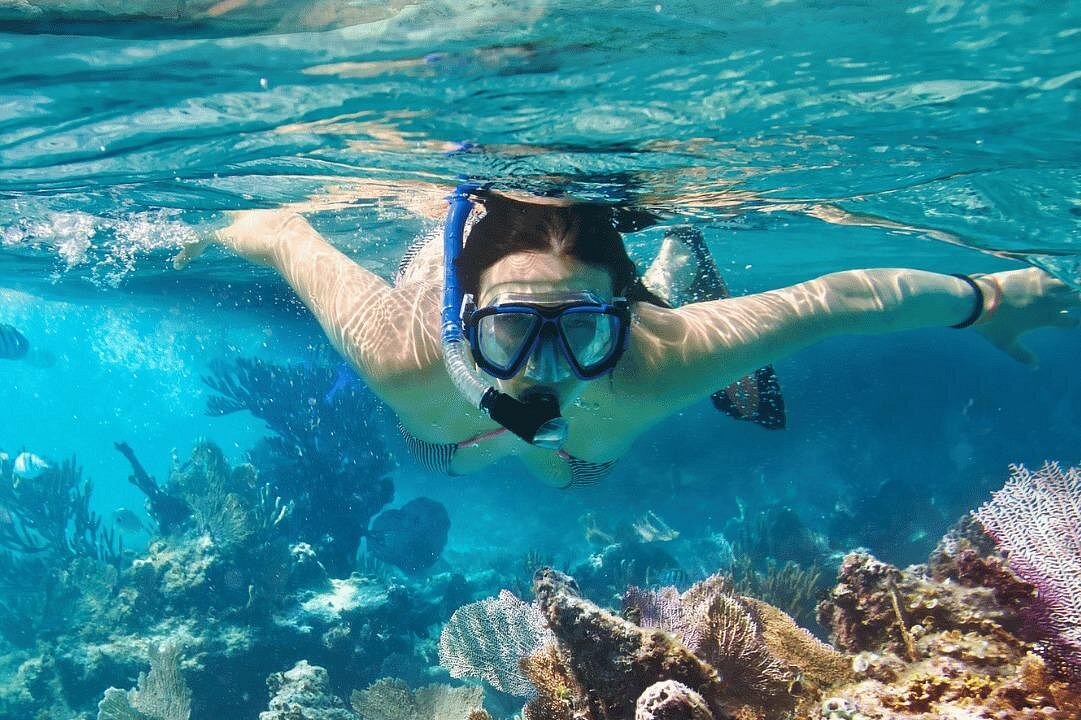
However, coral bleaching does not necessarily mean that every marine activity around Saona Island becomes unavailable or that every snorkeling location is damaged.
Tour operators should communicate accurately about the locations and habitats included in their excursions.
Visitors interested in reef environments can ask:
- Does the trip visit a known coral reef habitat?
- Are local reef conditions currently suitable for snorkeling?
- Are guides familiar with responsible reef observation?
- Are there environmental restrictions at the site?
- What happens if sea conditions or environmental concerns prevent access?
A responsible operator should avoid promising guaranteed wildlife sightings or presenting unverified reef conditions as facts.
12. How Can Visitors Help Reduce Coral Stress?
Tourists cannot control global ocean temperatures, but their behaviour can help reduce avoidable local damage.
Avoid touching coral
Direct contact can damage delicate coral tissue.
Never stand on reef structures
Standing on coral may break colonies and destroy living organisms.
Maintain proper swimming control
Keep fins away from coral and avoid kicking up sediment.
Follow responsible sunscreen guidance
Use sun protection carefully and follow local environmental recommendations.
Protective clothing can help reduce the amount of sunscreen needed.
Avoid collecting marine organisms
Do not remove coral fragments or other marine materials.
Respect protected areas
Follow the instructions of guides and environmental authorities.
Choose responsible tour providers
Look for operators who explain reef protection practices and discourage harmful wildlife interactions.
Small actions can help reduce direct visitor pressure on marine ecosystems.
13. Coral Reef Monitoring and Scientific Research
Scientists monitor coral reefs to understand bleaching events and measure recovery.
Several methods are commonly used.
Underwater surveys
Researchers record coral species, living coral cover, and visible signs of stress.
Temperature monitoring
Underwater temperature sensors help identify periods of unusual heat exposure.
Photographic records
Repeated images allow scientists to compare reef conditions over time.
Coral health assessments
Researchers document bleaching, disease, tissue loss, and mortality.
Satellite observations
Satellite-based information can help identify large-scale ocean temperature anomalies and potential bleaching risk.
Long-term monitoring
Repeated surveys are especially important because a single observation cannot explain the full history of a reef.
These methods help researchers identify vulnerable locations and assess conservation priorities.
14. Can Coral Restoration Reverse Bleaching?
Coral restoration can support the recovery of damaged reef habitats, but it is not a simple solution to every bleaching event.
Restoration techniques may include:
- Growing coral fragments in nurseries.
- Transplanting suitable coral fragments to damaged reef areas.
- Supporting natural coral recruitment.
- Monitoring transplanted colonies.
- Improving local habitat conditions.
However, restoration projects must be carefully designed and scientifically monitored.
Transplanting coral into an environment that continues to experience severe heat stress may result in poor survival.
It is also important not to assume that a specific coral nursery or restoration programme operates around Saona Island without confirmation from local conservation organizations or environmental authorities.
Reducing the causes of reef degradation remains essential.
15. The Future of Coral Reefs Around Saona Island
The future condition of coral reefs in the wider Saona Island region will depend on several interacting factors.
Global climate conditions will influence ocean temperature and bleaching risk.
Local environmental management will influence pollution, sedimentation, fishing pressure, and physical damage.
Scientific monitoring will help identify changes in reef health.
Responsible marine tourism can contribute by reducing avoidable disturbance and supporting environmental awareness.
Long-term reef protection requires cooperation among researchers, local communities, tourism operators, conservation organizations, and government authorities.
Protecting coral reefs is not only about preserving underwater scenery. It is also about maintaining marine biodiversity and the ecological processes that support Caribbean coastal environments.
Frequently Asked Questions
1. What is coral bleaching around Saona Island?
Coral bleaching is a stress response in which corals lose many of their symbiotic algae or associated pigments. The wider Caribbean, including the Dominican Republic's marine environment, is exposed to this ecological threat.
2. What is the main cause of coral bleaching?
Unusually high seawater temperatures are a major cause of widespread coral bleaching. Strong sunlight and other environmental pressures can increase stress.
3. Does coral bleaching mean the coral is dead?
No. Bleached coral may still be alive. Some colonies can recover if environmental conditions improve, although prolonged stress can cause mortality.
4. Can coral reefs recover after bleaching?
Yes, recovery is possible. It depends on the severity of bleaching, the duration of stress, coral species, and local environmental conditions.
5. How long does coral bleaching recovery take?
Some corals may regain colour within weeks or months, but rebuilding damaged reef structures and restoring ecological complexity can take much longer.
6. Does climate change cause coral bleaching?
Climate change increases the risk of marine heatwaves and unusually warm ocean temperatures, which can trigger widespread bleaching.
7. Can tourists visit coral reefs during bleaching events?
Access depends on local conditions, site regulations, and tour arrangements. Visitors should check current guidance and avoid disturbing affected coral colonies.
8. How can tourists protect coral reefs?
Avoid touching or standing on coral, maintain control of swimming movements, do not collect marine organisms, and follow responsible tour guidance.
9. Can coral nurseries prevent bleaching?
Coral nurseries can support restoration and research, but they cannot independently prevent ocean heat stress or eliminate the causes of bleaching.
10. Why is coral reef conservation important for Saona Island?
Coral reefs support marine biodiversity, contribute to coastal protection, and form part of the wider natural environment that makes the Caribbean region ecologically valuable.
Conclusion
Coral bleaching is a serious environmental challenge for tropical marine ecosystems, including the wider Caribbean region.
When corals experience prolonged environmental stress, they may lose their symbiotic algae, become pale, and struggle to survive. Some colonies can recover, but severe or repeated bleaching may lead to lasting damage.
For Saona Island, understanding coral bleaching provides a deeper appreciation of the marine environment beyond its beaches and coastal scenery.
Although visitors cannot prevent global ocean warming through individual actions, they can help reduce local disturbances by respecting marine habitats and choosing responsible excursions.
Protecting coral reefs requires long-term scientific research, effective environmental management, climate action, and cooperation among everyone who depends on healthy Caribbean seas.

Local explorer & expert guide in Silven International.